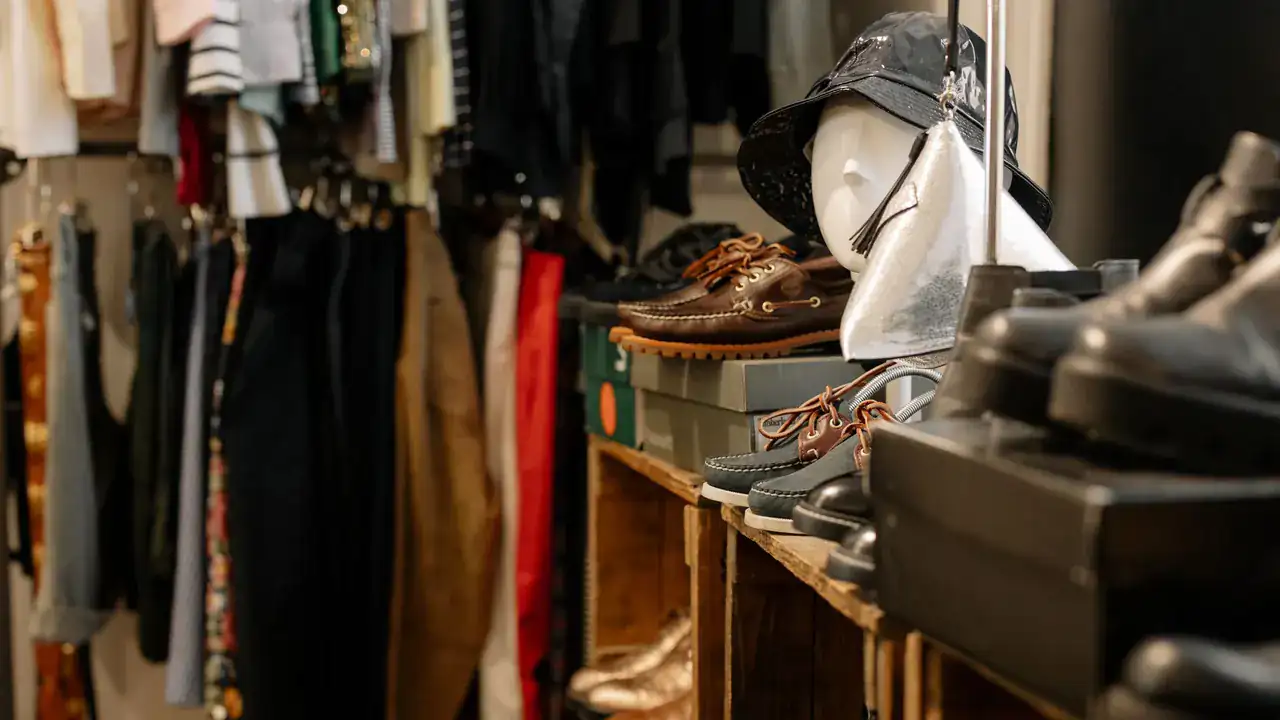
Clothing
Clothing Web Design Services for When the Collection and the Brand Have to Read Together
A clothing site sells two things at once: the garment and the identity it belongs to. Clothing web design holds them together: collections that browse the way the brand feels, product pages that answer size, fit and fabric without breaking the atmosphere, and a structure that survives the next drop. Neither the shop nor the brand gets to flatten the other.
The garment is half the purchase. The identity is the other half.
Clothing is not bought the way most products are bought. The garment is judged inside the brand's world first (the style, the mood, whether it reads as the person the shopper wants to be) and only then on the facts that close the decision: size, fit, fabric, care, price. A clothing site therefore has two jobs at once. It is the gallery where the label's world is felt, and the shop where a specific garment in a specific size gets chosen.
The failures run in both directions. Brand-led sites become beautiful walls: full-bleed imagery with no hierarchy, where the shopper can feel everything and find nothing, and the deciding facts hide under the art direction. Commerce-led sites fail the opposite way: a template grid flattens a distinctive label into every other shop, and a label that reads generic gets compared on price. Then the season turns, a new collection lands wanting the front of the shop, and the navigation reshuffles one drop at a time until nothing stays where a returning customer left it.
Clothing web design is the discipline of holding the two halves together: identity carried through the browsing experience, the deciding facts structured where decisions actually happen, and a collection architecture that absorbs the next season without rebuilding. It promises no sales lift and no conversion movement. What it changes is whether the label and the shop stop working against each other.
Two halves of one purchase, pulling in different directions.
Clothing's pressures come from the double nature of the product: a garment and an identity, bought together. Read what the vertical brings, what gives way, and the work each failure calls for.
The Industry Pressures
Identity-Led Buying
The garment is judged inside the brand's world: style, mood and fit-with-self decide before any specification does.
Collection Structure
The range moves in collections, categories and variants: by style, size, colour and season, all at once.
The Seasonal Drop
New collections keep arriving, and each one wants the front of the shop the day it lands.
What Breaks
The collection becomes a wall
Art direction without hierarchy: pages the shopper can feel but cannot shop, with the deciding facts buried under the mood.
The grid flattens the label
A template storefront makes a distinctive label read like every other shop, and a label that looks generic gets compared on price.
The drop destabilises the shop
Every season reshuffles the navigation, until returning customers cannot find the categories they used last month.
What Answers It
Website Design & Development
The anchor discipline: a collection and product architecture where the brand's presentation and the shopper's path are designed as one experience, not negotiated afterwards.
View Website Design & DevelopmentEcommerce Web Design
Where the label sells directly, the storefront craft (catalogue, variants, cart and checkout) is its own discipline, shaped around how garments are bought.
View Ecommerce Web DesignBranding Design
The identity the whole experience speaks in. Where the marks, type and voice cannot carry the label's world, that is settled in its own engagement, and expressed here.
View Branding Design
An order of operations, not a promise: the label's double nature decides what breaks, and what breaks decides which work matters first.
The gallery and the shop, on the same screen.
Collection browsing that feels like the brand
The pacing, imagery and structure of the browse should carry the label's world, while every step stays navigable, because mood is not a substitute for orientation.
Product pages that answer size, fit and fabric
The facts that close a garment decision (size, fit, fabric, care, price, availability), structured and consistent on every product, never folded into captions.
Image-led presentation with a working hierarchy
The photography leads, as it should, and titles, prices and variants keep fixed, findable places beneath it.
Mobile discovery built for browsing, not just buying
Collections are explored on phones long before anything enters a bag. The scroll has to keep both the atmosphere and the shopper's sense of where they are.
A structure that survives the next drop
New collections land in space designed to receive them, while the evergreen categories hold still, so each season arrives without a rebuild.
Three services, each earned by the context.
The build anchors the engagement. The storefront craft and the identity enter because this vertical's constraint reaches them, not because the catalogue exists.
Website Design & Development
Strategy, design and engineering built as one commercial instrument.
View Website Design & DevelopmentEcommerce Web Design
Storefronts built for the way the product is actually bought.
View Ecommerce Web DesignBranding Design
The full identity system, not just the mark that sits on top of it.
View Branding Design
Before you ask.
Before the next collection lands,
give it a shop that can hold it.
We start by reading whether the constraint is the structure, the identity, or something upstream of both. If the site is where the label loses people, this is where the work starts.